The Invisible Things We Carry
“Smile. You look like someone died.” How a casual remark at work revealed the deep divide between looking okay and being okay.
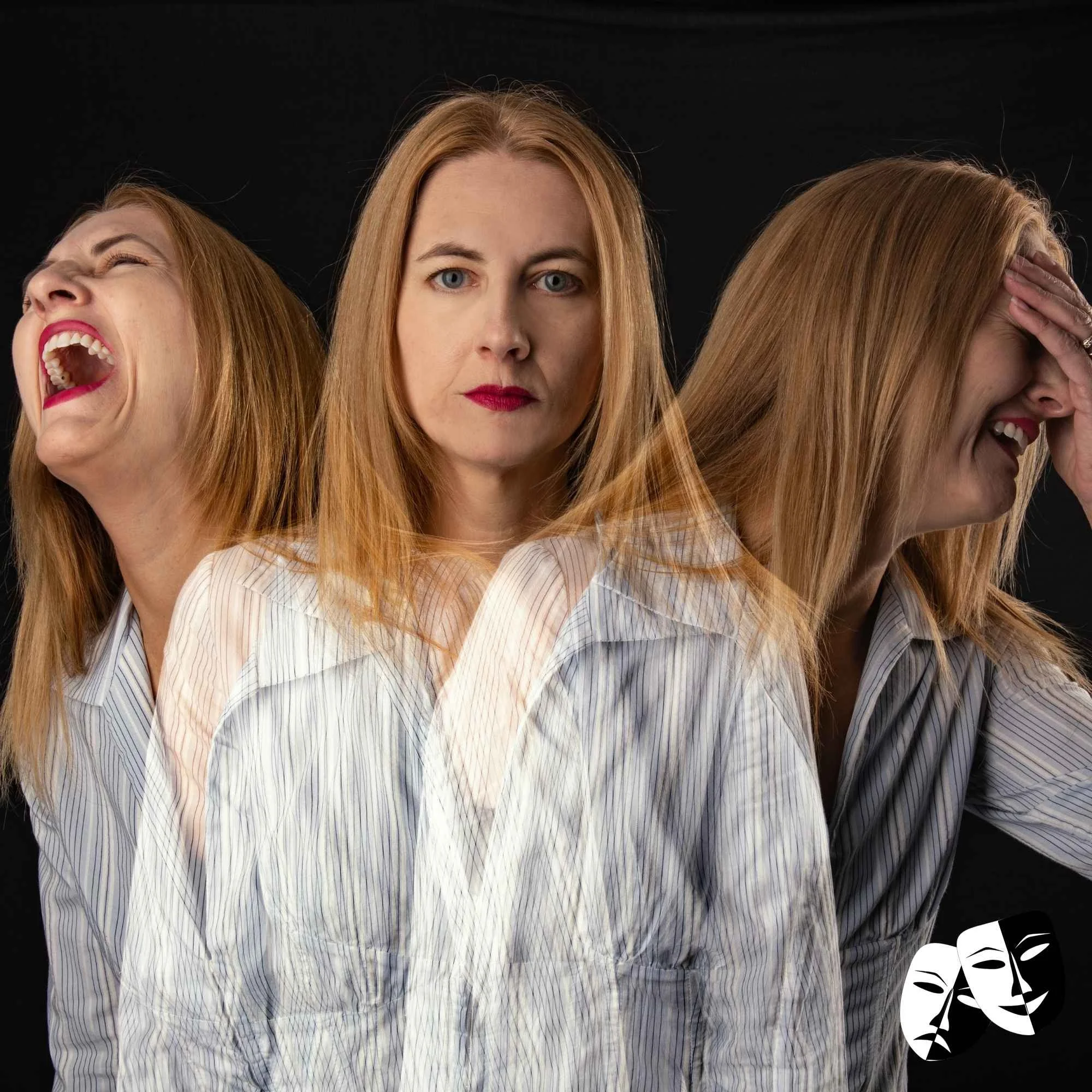
What does being okay look like? Does it look like a smile on your face? Does it look like being well put together, dressed impeccably, and carrying yourself with confidence? Does it look like having the best attitude in the room or appearing not to have a care in the world?
Many people use “looking okay and being okay” as though they mean the same thing. But are they?
Consider what happened on the first day of work for a new employee.
She arrived on time, greeted everyone warmly, and settled into the day without any issues. Her orientation went smoothly, and by all appearances, she seemed excited to begin a new job. Later that day, she was sent to have her employee badge photo taken.
As she sat for the picture, the photographer casually encouraged her to smile and jokingly remarked, "Smile. You look like someone died."
Without hesitation, the employee replied, "Yes… they did. My partner died this weekend."
The room immediately fell silent.
Caught off guard by the response, the photographer quickly apologized. But looking back, there was really nothing to apologize for. The comment had been made based on what she saw in that moment. What she couldn't have known was what the employee was carrying.
She had shown up to work on time. She was polite, professional, and engaged. She hadn't cried during orientation. She hadn't spoken about her loss. To everyone around her, she appeared to be doing okay.
What no one knew was that she had come to work hoping the routine would provide a temporary escape from the unimaginable grief she was experiencing.
And, if I’m being honest—that employee was me.
Surviving vs. Healing
For the next year, I continued to do what was expected of me. I went to work. I completed my responsibilities. I smiled when appropriate and carried on conversations with coworkers. As time passed, people stopped asking how I was doing. They stopped checking in. Not because they didn't care, but because I appeared to be fine.
To be fair, I probably would have reached the same conclusion if I had been looking at myself from the outside. What they didn't see was what happened when I got home.
Every evening, I closed the door, got into bed, and cried myself to sleep. The next morning, I got up and did it all over again.
Looking back, I realize that I spent much of that year surviving rather than healing. I went through the motions of daily life, but I rarely talked about what I was carrying. I didn't seek the kind of support that might have helped me process my grief, and because I appeared to be functioning, few people recognized how much I was struggling.
At the time, I believed that continuing to show up each day was enough. In many ways, it was what allowed me to get through. What I understand now is that surviving and healing are not the same thing.
One of the lessons that experience taught me is that mental health matters just as much as physical health. If I had broken a bone, no one would have expected me to simply carry on without treatment, support, or time to recover. Yet emotional pain is often different. Because it cannot always be seen, it is easy to overlook, minimize, or assume that someone is doing better than they actually are.
The Invisible Burdens We Carry
The truth is that many people are carrying burdens that are invisible to everyone around them.
Some are grieving the loss of a loved one.
Some are struggling with a health diagnosis.
Some are caring for family members while quietly neglecting their own needs.
Some are coping with the end of a relationship, financial stress, job loss, disappointment, anxiety, depression, or circumstances they never anticipated.
Yet every day they get up, get dressed, go to work, take care of responsibilities, and continue moving forward. From the outside — they look okay.
But looking okay and being okay are not always the same thing.
The danger of high-functioning survival is that real struggles go completely unnoticed—sometimes even by ourselves. We can become so focused on getting through the day that we fail to recognize our own pain.
Support matters.
Conversations about mental health matter.
Checking in with others matters.
And perhaps just as importantly, being honest with ourselves about what we are carrying matters.
The next time someone appears to be doing fine, remember that appearances tell only part of the story. Sometimes the strongest-looking person in the room is carrying a burden you know nothing about. And sometimes the person who needs support the most is the one who seems to be handling everything just fine.